Construction workflow automation.
Start with the work your people carry.
You do not need a new company-wide system to get relief. You need one workflow that stops being carried by hand. We design it, build it, connect it to the operation, and put it into daily use with the team.
For contractor owners and project managers. Your people keep judgment and approval. Your company owns the finished system.
What changes
The record is written while the work happens.
Follow-up becomes a list, not a person's week.
The same information stops being retyped in three places.
How we modernize
We preserve the operating knowledge and systems that already create value, then modernize the parts that constrain execution.
Why workflow first
Admin support is not a staffing problem. It is work that was never given a home.
When a workflow has no home, a person becomes the home. The coordinator becomes the daily report. The project manager becomes the change log. The office manager becomes the billing backup. That is how experienced people end up spending their week on work that does not need their judgment.
Give the repeatable work a home without replacing anyone’s role. The owner keeps company decisions. The project manager keeps project judgment. We measure the coordination work before and after, rather than promise more production. We start with one pressure, prove it on a live job, and expand only when the evidence supports it.
Where we usually start
Daily records, submittals and the work between them.
A project manager should not have to reconcile crew notes, supplier dates and billing folders to explain one job. Connect the record from field activity through construction document control and closeout. Start with the handoff that needs attention.
Construction daily reports
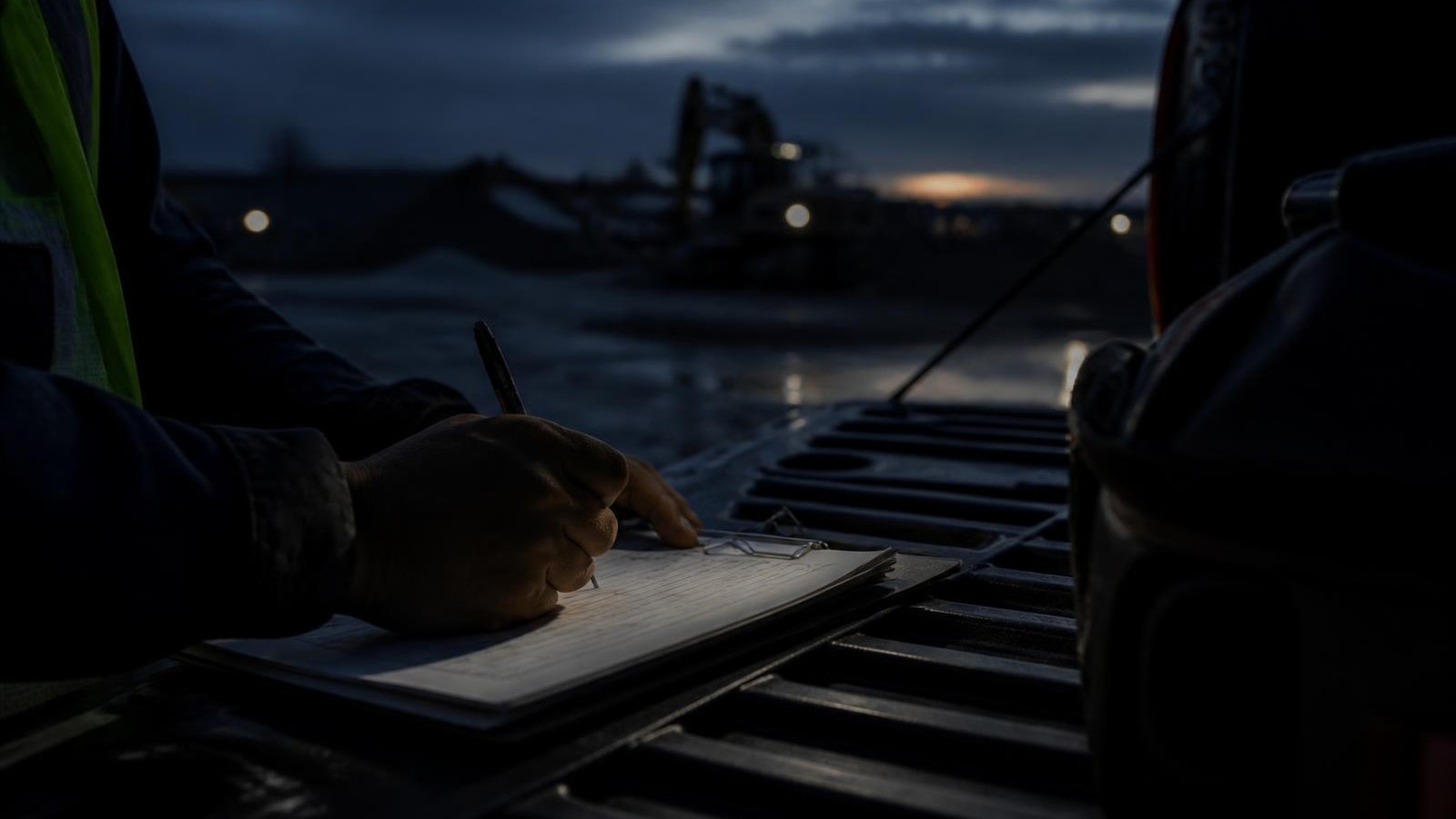
The day gets written while it happens, not rebuilt on Friday.
Crew activity, conditions, delays, and photos land in one record the day they occur.
What it takes off your people
Change and extra work capture
Extra work is documented the hour it is directed.
Direction, scope, hours, and evidence captured at the moment, so the ticket writes itself.
What it takes off your people
Material and submittal tracking
You know what is late before the crew shows up to install it.
Submittals, releases, and deliveries tracked against the work they feed.
What it takes off your people
Look-ahead and manpower
The three-week look-ahead stops being a Sunday night rebuild.
Crew plan, constraints, and the general contractor schedule reconciled in one view.
What it takes off your people
Billing backup and pay application
The backup exists before the billing date, not after it.
Installed quantities and supporting evidence assembled as the work is put in place.
What it takes off your people
Closeout and as-built package
Closeout stops being a second project after the job is done.
As-builts, warranties, and operating documents gathered during the work, not after.
What it takes off your peopleThe system carries coordination. Your people carry judgment.
Moves into the workflow
- Chasing status and confirmations
- Retyping the same information in a second place
- Reconstructing what was agreed and when
- Assembling evidence after the fact
Stays with your people
- Risk, sequence, and commitments
- Relationships with owners, crews, and suppliers
- Leadership of the people doing the work
- The exceptions no system should decide
Pick the one that hurts most this month.
Select your workflows, confirm one real example and check the operating basics. The next sales step is a paid project conversation, not a free review or a build commitment.